 01
Event planner
Planners who book another speaker
A planner shortlists you, searches your name and picks the speaker with the stronger result.
 Get My Free Audit
 For speakers and authors
Planners, podcast hosts and readers search your name before they book you or buy your book. We make sure they find a Google Knowledge Panel that shows your books and work, and AI answers that name and recommend you.
Enter your name, LinkedIn URL and email. The report reaches your inbox within 1 business day.
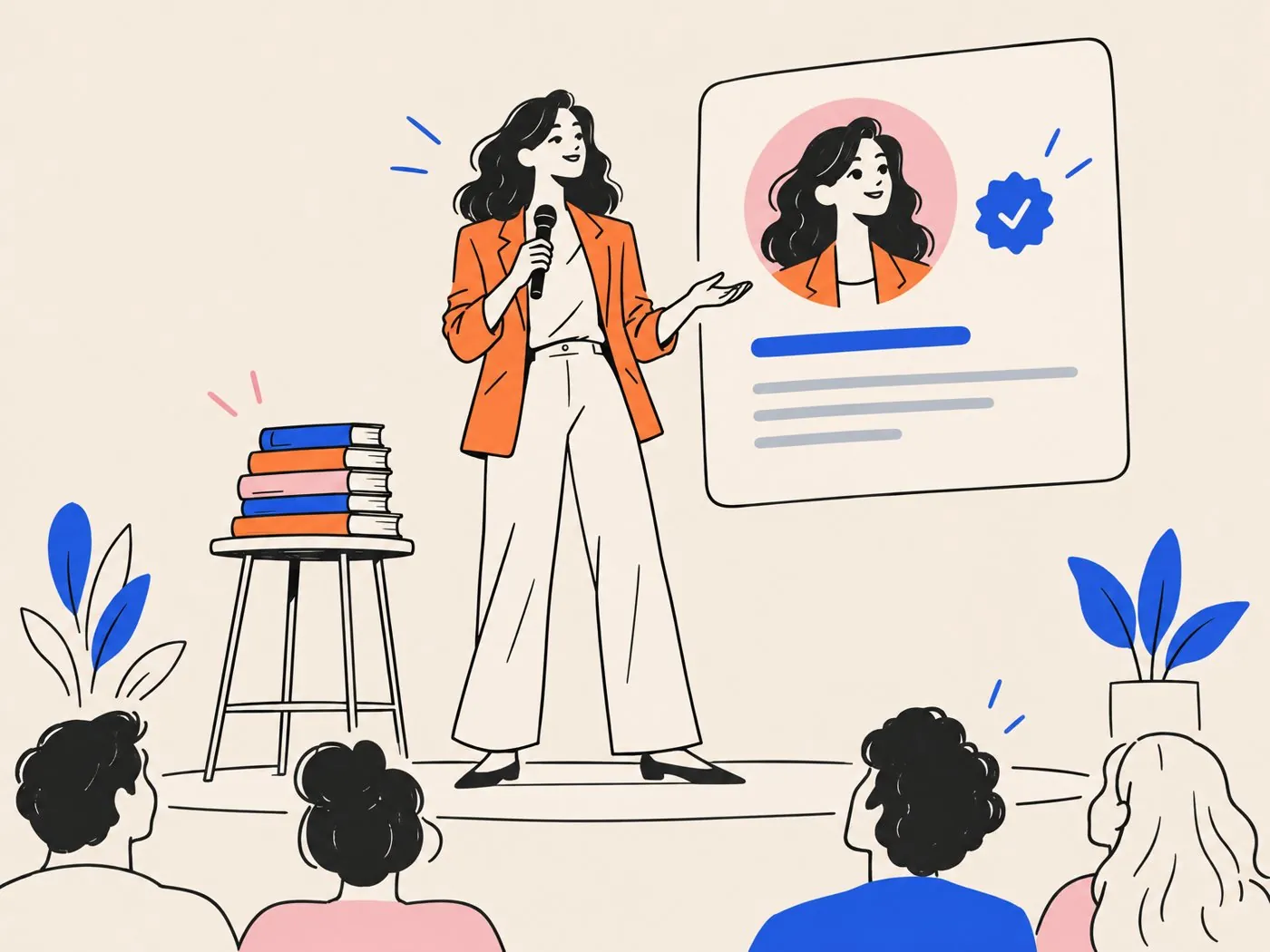
 Building authority for experts and thought leaders since 2017.
An event planner with a theme and a budget shortlists three or four speakers. Before any of them gets an inquiry, the planner searches each name and compares what comes up.
Podcast hosts do the same before they confirm a guest, and journalists do it before they quote a source. Readers do it the week your book comes out.
Event planners
Podcast hosts
 Journalists
 Readers
A speaker with a Knowledge Panel, their books listed and profiles that agree looks booked and in demand. A speaker with a one-sheet PDF and a thin LinkedIn looks like a risk, and the inquiry goes to someone else.
Six moments a thin search result quietly costs you the stage, the slot or the sale.
01
A planner shortlists you, searches your name and picks the speaker with the stronger result.
02
Bookers check guests before they confirm, and a thin search reads as a risk.
03
Readers search the author’s name and find a store listing and little else.
 04
A planner asks ChatGPT for keynote speakers on your topic and gets other names.
 05
Amazon, Goodreads and your speaker page describe you three different ways.
06
A journalist who can’t confirm your credentials quickly quotes someone else.
A planner who searches you and books someone else never sends a rejection. The inquiry simply never arrives.

 The book sales at the back of the room
 The next booking that usually comes from someone in the audience
More planners and podcast producers now ask ChatGPT, Gemini or Perplexity for ideas. The answer names two or three people and a line on each.
AI tools pick those names from sources they trust and from what Google already knows about each person. When those sources connect you to your topic and your books clearly, you get named. When they don’t, a speaker with a cleaner footprint gets the invitation.
 The spotlight goes to the names the sources agree on.
Most speakers and authors have a one-sheet, an Amazon author page, maybe Goodreads and a handful of podcast guest pages. Each describes you a little differently, and Google treats them as loose pieces.
Google and AI tools confirm a person when those sources link together and agree. We connect them around your name, so your books, talks and appearances all point to one recognized person.
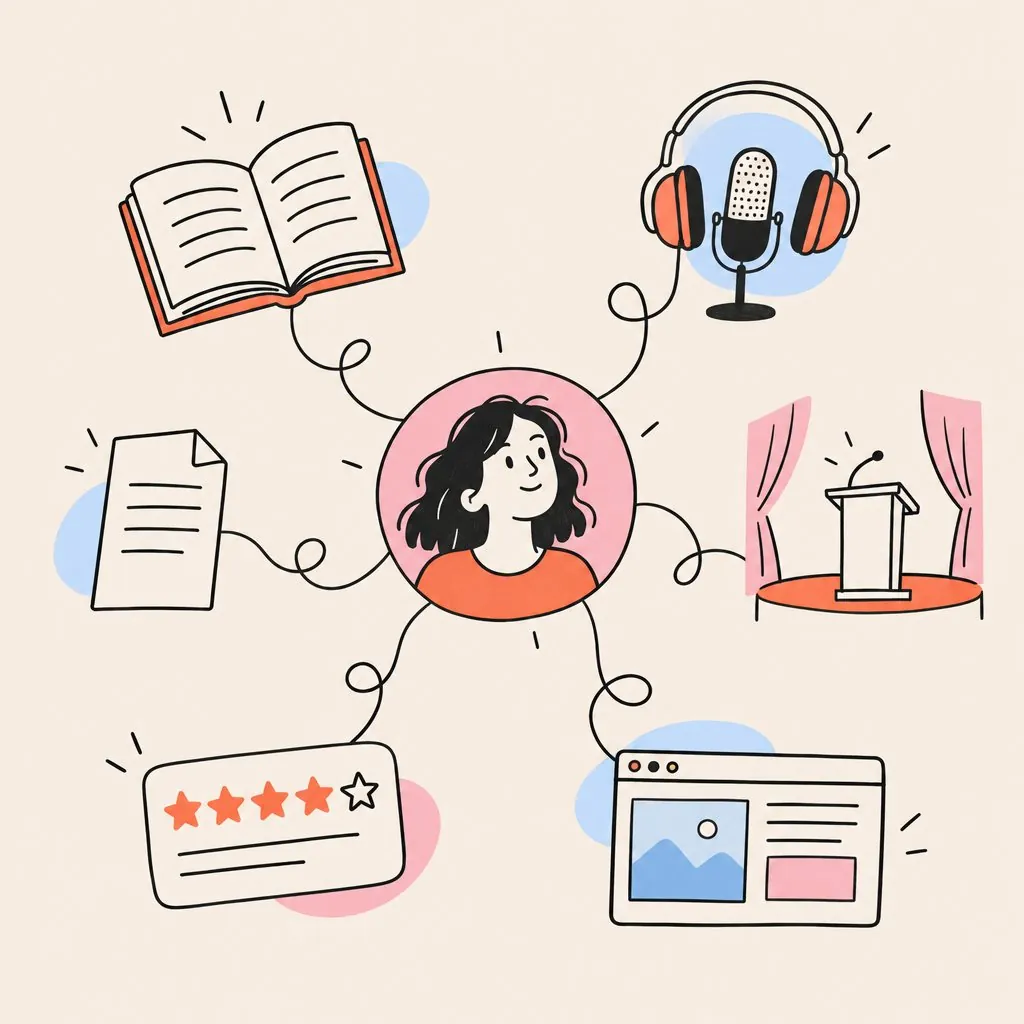
Google and AI tools judge a speaker or author by checking what trusted sources say about that person. When those sources agree, Google confirms you with a Knowledge Panel, and AI tools start naming you. We build that agreement in five steps.
 We map everything the internet says about you
Your speaker page, author profiles, podcast appearances, book listings and every mention get checked against your LinkedIn, so we know what’s outdated or contradictory.
 We give your name a home base
A personal page about you, with code that tells Google who you are, what you speak on and which books you’ve written, and your key profiles linking back to it.
We make every profile matchYour bio, topics, books and photo read the same on each platform a planner or reader might check.
We get Google to confirm youThat confirmation is a Knowledge Panel, the box beside your name in search with your photo, title and books. Google shows one only once it’s confident about who you are.
We get you into AI answersWe place features and mentions on the sites ChatGPT, Gemini and Perplexity draw from, so your name comes up when people ask for a speaker or author on your topic.
New speaking inquiryNorthwind Sales Kickoff, March, Denver
Podcast booking confirmedThe Revenue Room, episode 214
 Media requestA quote for a feature on sales burnout
Named in an AI answerKeynote speakers on sales leadership
Each card answers one of the six problems above.
A planner compares four names and books the speaker Google confirms.
Was: Planners who book another speakerBookers check you and find an established guest worth the slot.
Was: Podcast hosts who passReaders search your name and find your Knowledge Panel with your books on it.
Was: A launch that search can’t seeChatGPT, Gemini and Perplexity mention you when people ask for a speaker on your topic.
Was: AI recommends other speakersAmazon, Goodreads and your speaker page tell the same story.
Was: Scattered author profilesJournalists confirm your credentials in one search and use you as a source.
Was: Media that can’t verify youA leadership speaker in Minneapolis, Tessa came to us five months before her second book went on sale. Her name search showed a store listing, an old one-sheet and a namesake on a dance studio site.
“Launch week, every planner and host who searched my name saw both books and a panel beside them. Two of the inquiries said that search is why they wrote.”
The free audit runs the same search an event planner or reader runs and shows you where it breaks down.
What your report shows
Yes. You enter your name, LinkedIn URL and email, and the report comes to your inbox. You won’t be asked to book a call or enter a card.
It’s the information box Google shows beside the results when you search a recognized person, or at the top on mobile. For authors it can list your books, and Google only shows it once it’s confident about who you are.
It’s the best time to start. A Knowledge Panel and consistent profiles in place before launch day mean every reader who searches your name finds you.
No. Google shows a panel once trusted sources agree about who you are, and sales figures play no part in that.
Yes. Your talks, podcast appearances and articles give Google plenty to work with.
About 20 minutes, on one call to approve your details and bios.
No. We use your real information, accurate profiles and the structured data Google asks websites to add.
You keep the report and can act on it yourself. If you want us to do the work, the report explains how we’d go about it.
Someone will search your name this week while deciding who to book, who to interview or which book to buy. The free audit shows you what they’ll see and which fix comes first.
Get My Free AuditYour name, LinkedIn URL and email are all it takes. Report within 1 business day.