
Consultations that never get booked
A prospect shortlists you, searches your name and calls the next lawyer on the list.
 Get My Free Audit
Prospective clients search your name before they book a consultation. We make sure they find a Google Knowledge Panel that confirms who you are, and AI answers that name and recommend you.
Enter your name, LinkedIn URL and email. The report reaches your inbox within 1 business day.
 Building authority for experts and thought leaders since 2017.
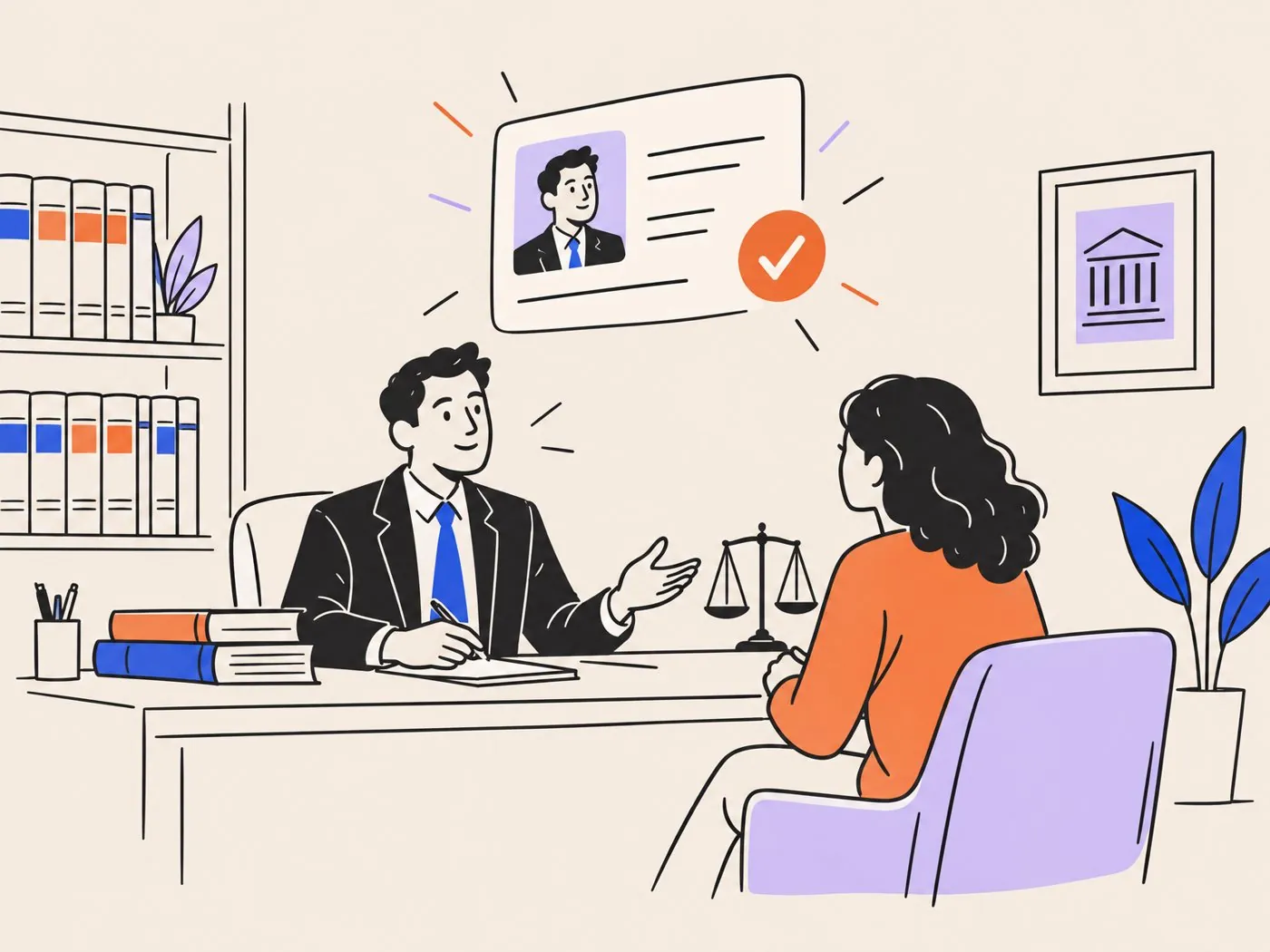
Someone facing a dispute, a dismissal or a business deal usually shortlists two or three lawyers before calling anyone.

They confirm each one is admitted, through the state bar in the US, the SRA register in the UK or the Law Society in Australia.
So they search each name and compare.
If page one shows an established lawyer whose practice area, firm and experience line up across every source, they book the consultation.
They book with someone else. You never learn you were on the list.
Six files that never reach your desk, because the search closed them first.
A prospect shortlists you, searches your name and calls the next lawyer on the list.

Profiles you never set up outrank your own page, with other lawyers advertised beside you.

A colleague refers a matter. The client searches you and hesitates.

A prospect asks ChatGPT for a lawyer in your practice area and gets other names.

An old firm, an old practice area or an old photo appears on half the sites that mention you.

Another lawyer with your name shares your results, sometimes in a different state.
A prospect who searches you and moves on never calls to say why. Your intake numbers simply look a little lower than they should.

More people now ask ChatGPT, Gemini or Perplexity to recommend a lawyer. “Which employment lawyer in Chicago handles executive severance?” “Who’s a good family lawyer in Brisbane for a complex property split?” The answer names two or three lawyers and a line on each.
AI tools pick those names from sources they trust and from what Google already knows about each person. When those sources describe you and your practice area clearly, you get named. When they don’t, a lawyer with a cleaner footprint gets the recommendation.

The shortlist is now written before the client opens a browser.
AI assistant
ChatGPTGeminiPerplexity
Sites like Avvo, Justia and Martindale build profiles from public data, often years out of date, and many rank above your own firm page. Some show competing lawyers on the same screen as your name.

Google and AI tools confirm a person from sources about that person, linked together and in agreement.
We line up the directories that already exist and build the sources Google trusts around your name.
Using factual details you approveGoogle and AI tools judge a lawyer by checking what trusted sources say about that person. When those sources agree, Google confirms you with a Knowledge Panel, and AI tools start naming you. We build that agreement in five steps.

Your firm bio, bar listing, legal directory profiles and every mention get checked against your LinkedIn, so we know what’s outdated or contradictory.

A personal page about you, with code that tells Google who you are, which firm you’re with and which areas of law you practice, and your key profiles linking back to it.

Your admissions, firm, practice areas and photo read the same on each platform a client might check.
That confirmation is a Knowledge Panel, the box beside your name in search with your photo, title and firm. Google shows one only once it’s confident about who you are.
We place features and mentions on the sites ChatGPT, Gemini and Perplexity draw from, so your name comes up when clients ask for a lawyer in your practice area.
Each row closes one of the six files above.
A prospect compares three names and books with the lawyer Google confirms.
Your directory profiles show your current firm, practice areas and photo.
The client your colleague sent finds proof that matches the referral.
ChatGPT, Gemini and Perplexity mention you when clients ask for a lawyer like you.
Your firm, practice areas and experience read the same on every site.
Google separates you from any other lawyer who shares your name.
An employment solicitor in Leeds, a common surname and three directory profiles she had never claimed. This is how her file closed.
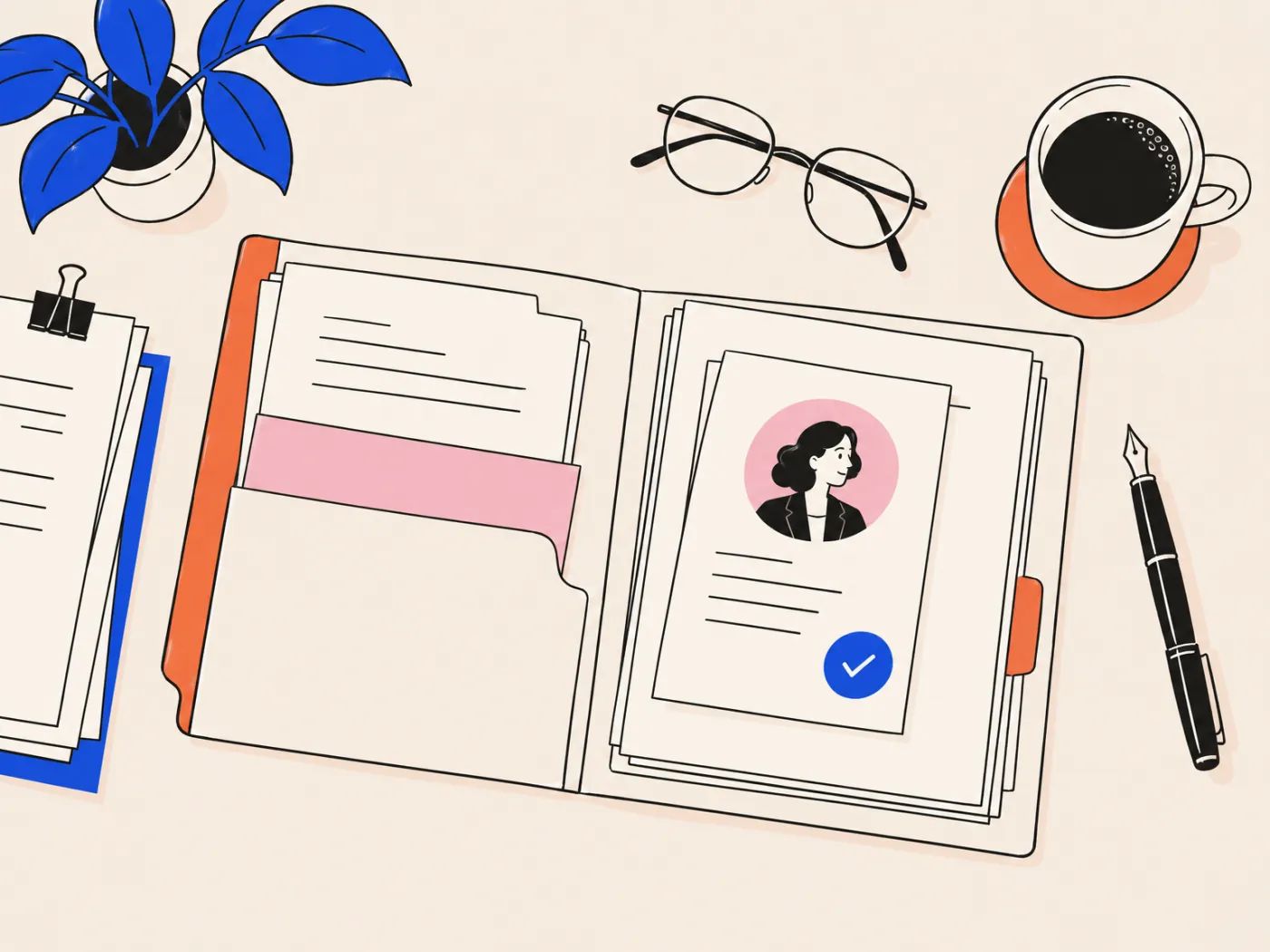
Search a live one: Shobin K Jose Search“Referrals used to ask which Helena Marsh I was. Now the search answers that before they call.”
The free audit runs the same search a prospective client runs and shows you where it breaks down.
Including bar advertising rules and what happens to old directory profiles.
Get My Free AuditYes. You enter your name, LinkedIn URL and email, and the report comes to your inbox. You won’t be asked to book a call or enter a card.
It’s the information box Google shows beside the results when you search a recognized person, or at the top on mobile. It shows your photo, title and firm, and Google only shows it once it’s confident about who you are.
Everything we publish is factual information about your admissions, firm and experience, and you review it before it goes live. We keep out terms like “best” and “specialist” that bar and regulator rules restrict.
Yes. Clients choose a lawyer as much as a firm, and a verified partner or associate strengthens the firm’s reputation too.
We don’t remove reviews. We correct the profiles you can claim and build accurate sources around your name, which gives Google better results to show.
About 20 minutes, on one call to approve your details and bios.
No. We use your real information, accurate profiles and the structured data Google asks websites to add.
You keep the report and can act on it yourself. If you want us to do the work, the report explains how we’d go about it.
Someone will search your name this week while deciding which lawyer to call. The free audit shows you what they’ll see and which fix comes first.
Get My Free AuditYour name, LinkedIn URL and email are all it takes. Report within 1 business day.