
Referred patients who book elsewhere
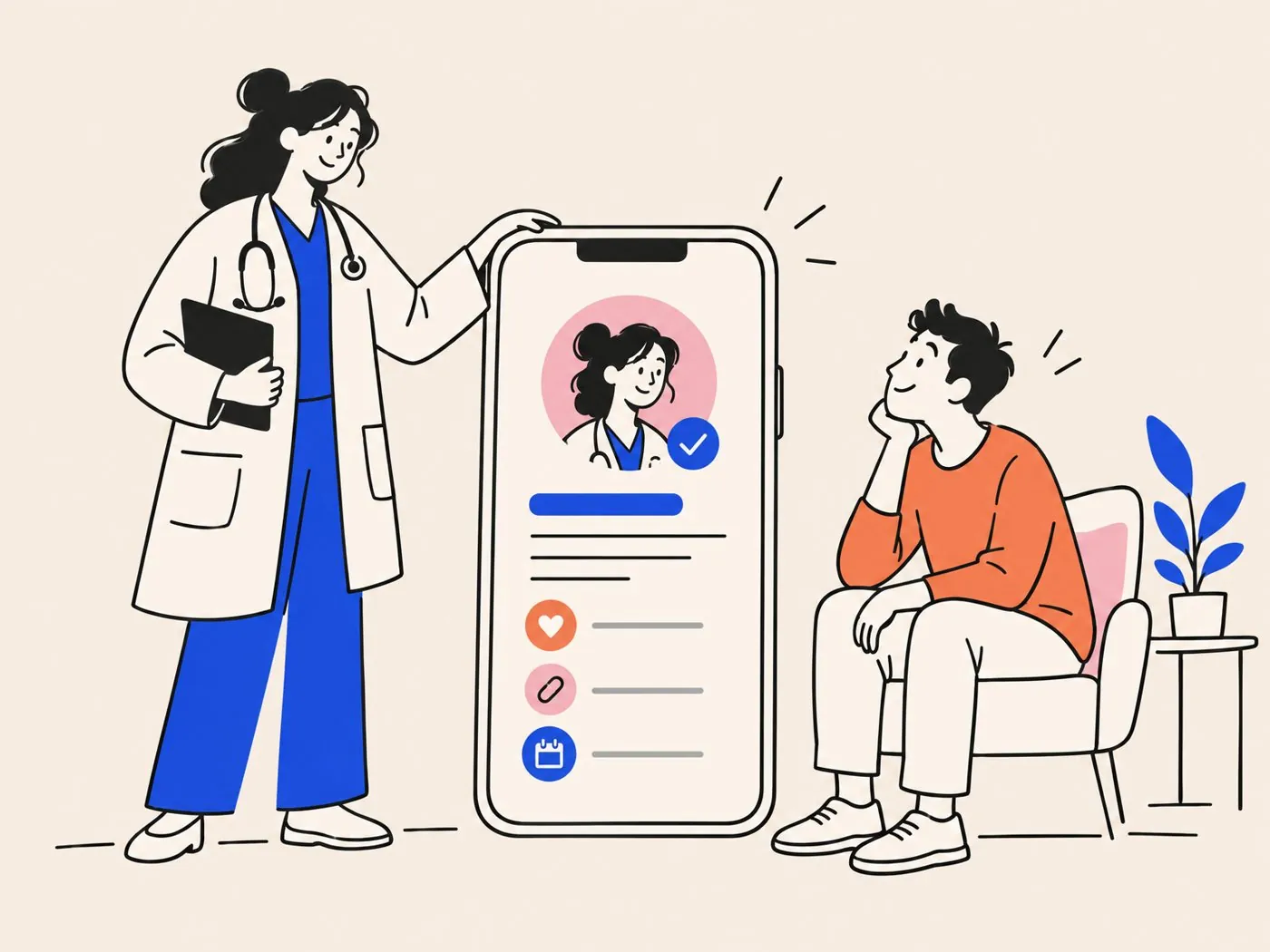
A GP gives three names. The patient searches all three and books the doctor who looks most established.
 Get My Free Audit
Before a patient books, they search your name. We make sure they find a Google Knowledge Panel that confirms your training, specialty and practice, and AI answers that name and recommend you.
Enter your name, LinkedIn URL and email. The report reaches your inbox within 1 business day.
 Building authority for experts and thought leaders since 2017.
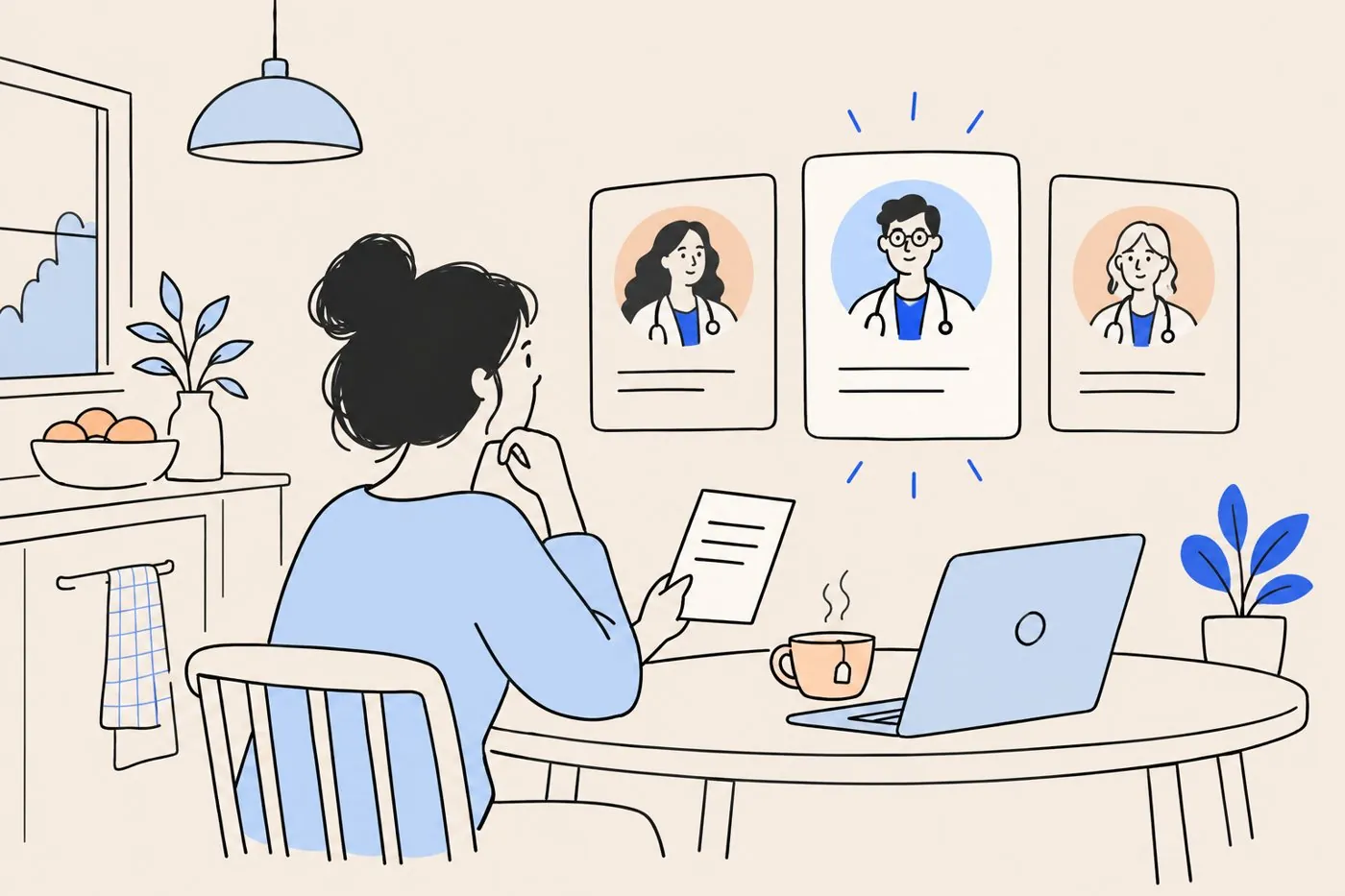
A referral often comes with more than one name, and an insurer’s directory shows several more. The patient checks that each one is registered, through the state medical board in the US, the GMC register in the UK or Ahpra in Australia.
So they search each doctor and compare.
If page one shows an established specialist whose training, hospital and practice line up across every source, they book.
They book with someone else. You never see that patient’s name.
Six places a thin or tangled search result sends patients elsewhere.
A GP gives three names. The patient searches all three and books the doctor who looks most established.

Healthgrades, Vitals and similar profiles outrank your own page, with details you never checked.

An old hospital, an old clinic or an old address appears on the sites patients trust.

A patient asks ChatGPT for a knee surgeon in their city and gets other names.

Your search shows the health system and very little about you.

A doctor with your name, sometimes in a different specialty, shares your results.
Dr. Maya Okafor, Pediatrics, Columbus OHShares page one with Dr. Maya Okafor, Orthopedics, Phoenix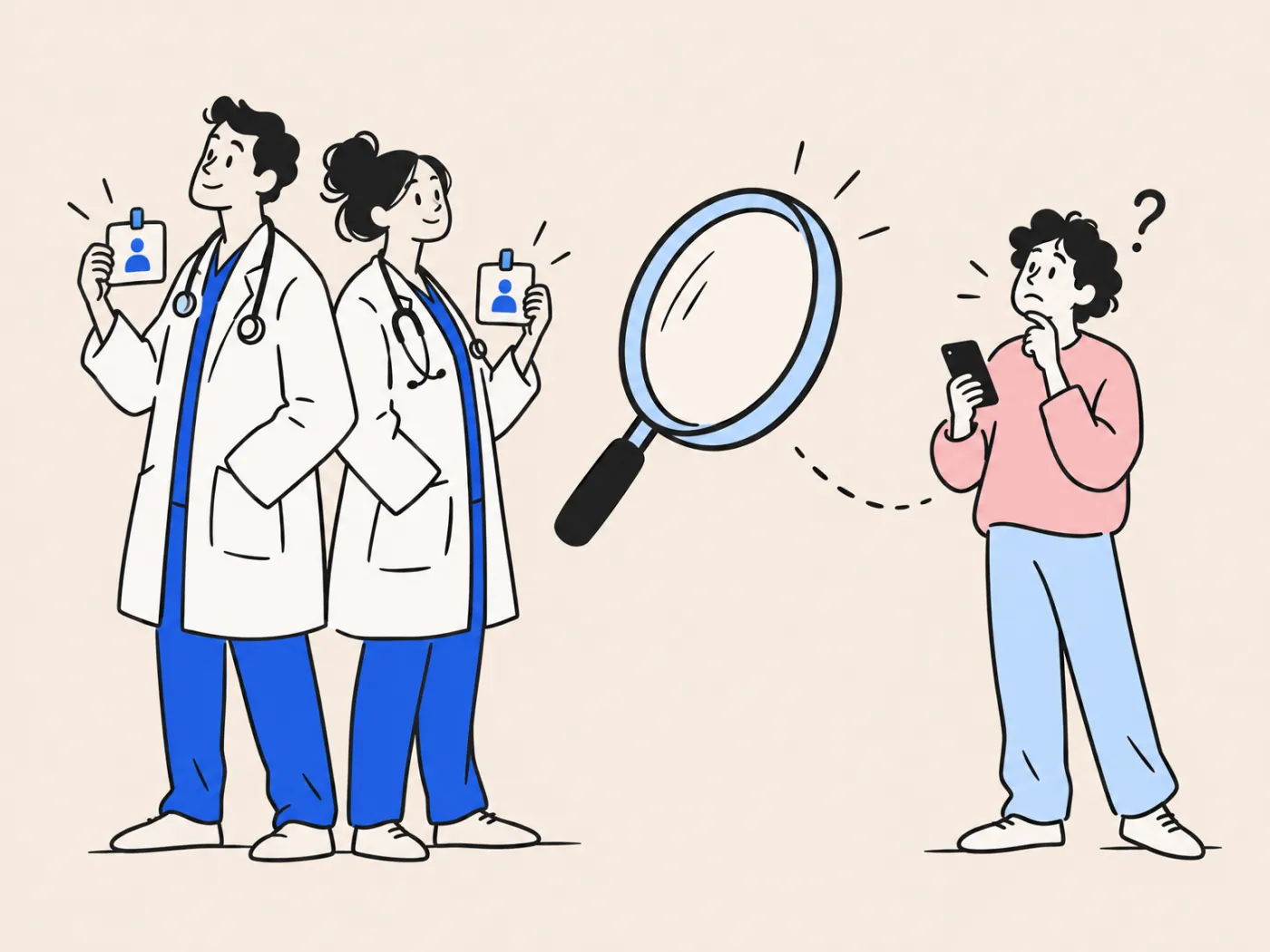
A patient who searches you and books elsewhere never cancels, because they never booked. Your front desk has no idea they existed.
AI assistant
ChatGPTGeminiPerplexity
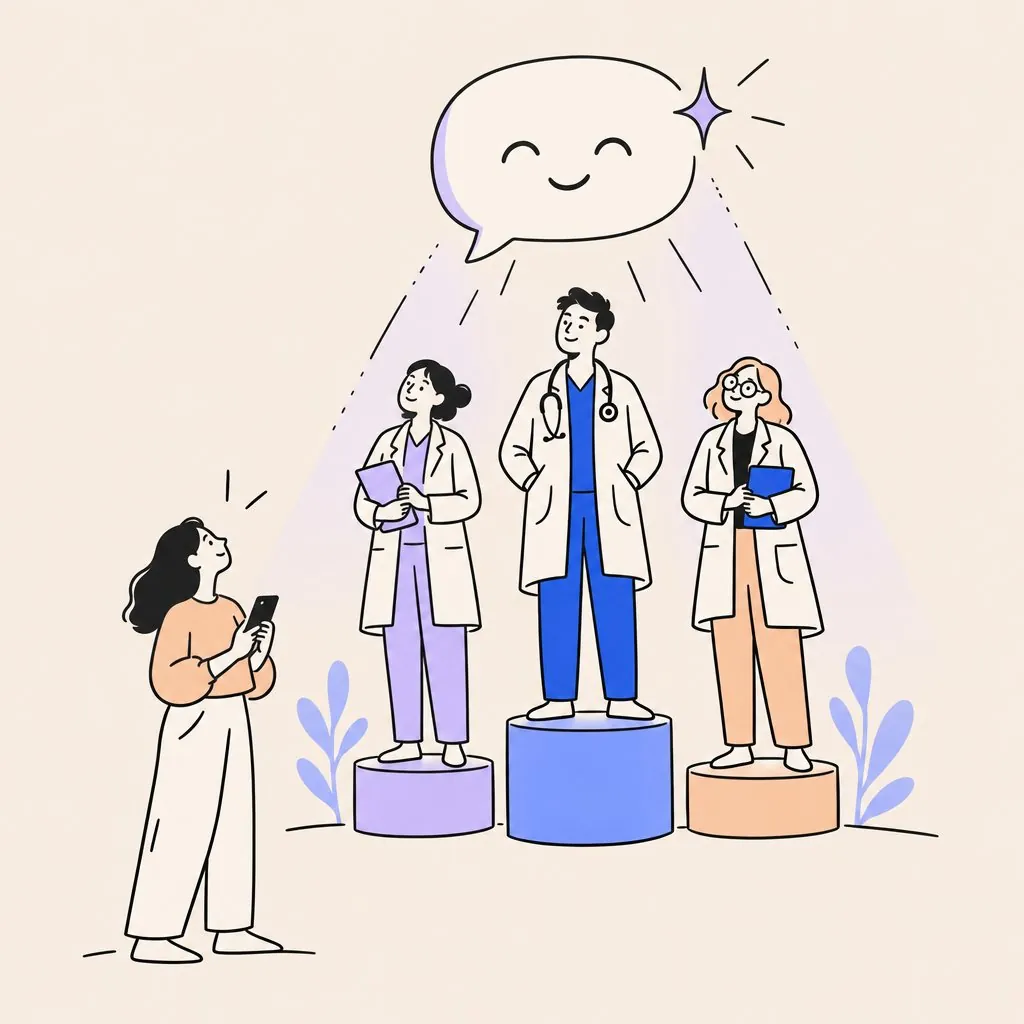
More patients now ask ChatGPT, Gemini or Perplexity to suggest a specialist. “Who’s a good knee surgeon in Phoenix for runners?” “Which dermatologists in Manchester treat adult acne?” The answer names two or three doctors and a line on each.
AI tools pick those names from sources they trust and from what Google already knows about each person. When those sources describe your specialty, training and practice clearly, you get named. When they don’t, a doctor with a cleaner footprint gets the recommendation.
Healthgrades, Vitals, WebMD and your hospital’s directory all build pages about you, often from old data, and many rank above your own practice page. You didn’t write them, and most doctors have never checked what they say.
Google and AI tools confirm a person from sources about that person, linked together and in agreement.
We correct the profiles you can claim and build the sources Google trusts around your name, using only professional details you approve.
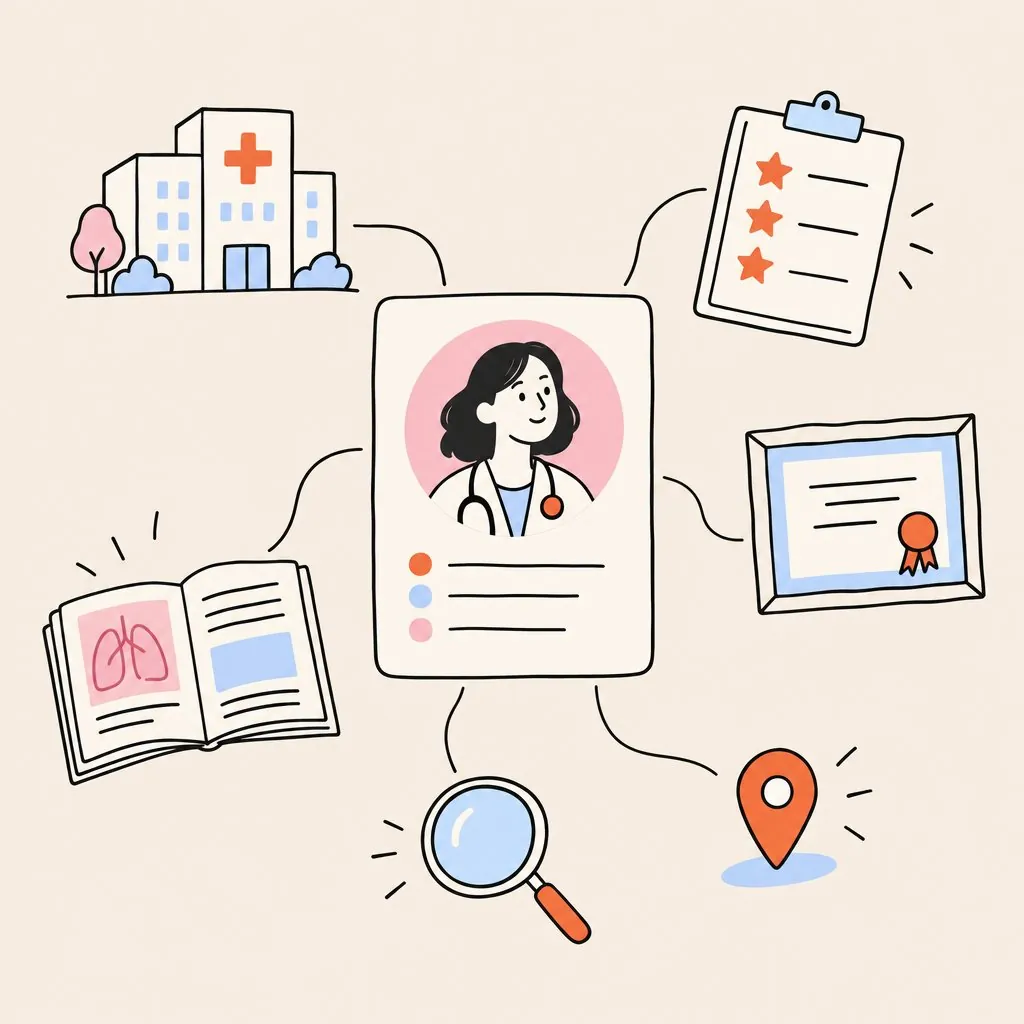
Google and AI tools judge a doctor by checking what trusted sources say about that person. When those sources agree, Google confirms you with a Knowledge Panel, and AI tools start naming you. We build that agreement in five steps.

Your practice page, hospital directory listings, ratings-site profiles, registration and every mention get checked against your LinkedIn, so we know what’s outdated or contradictory.
A personal page about you, with code that tells Google who you are, what you specialize in and where you practice, and your key profiles linking back to it.

Your specialty, training, hospital affiliations and photo read the same on each platform a patient might check.
That confirmation is a Knowledge Panel, the box beside your name in search with your photo, specialty and practice. Google shows one only once it’s confident about who you are.
We place features and mentions on the sites ChatGPT, Gemini and Perplexity draw from, so your name comes up when patients ask for a specialist like you.
Each card answers one of the six problems above.
The patient compares three names and books the specialist Google confirms.
Your ratings-site profiles show your current practice, specialty and photo.
Your hospital, clinic and address read the same on every site.
ChatGPT, Gemini and Perplexity mention you when patients ask for a specialist like you.
Your Knowledge Panel shows you as a person, with the health system in its proper place.
Google separates you from any other doctor who shares your name.
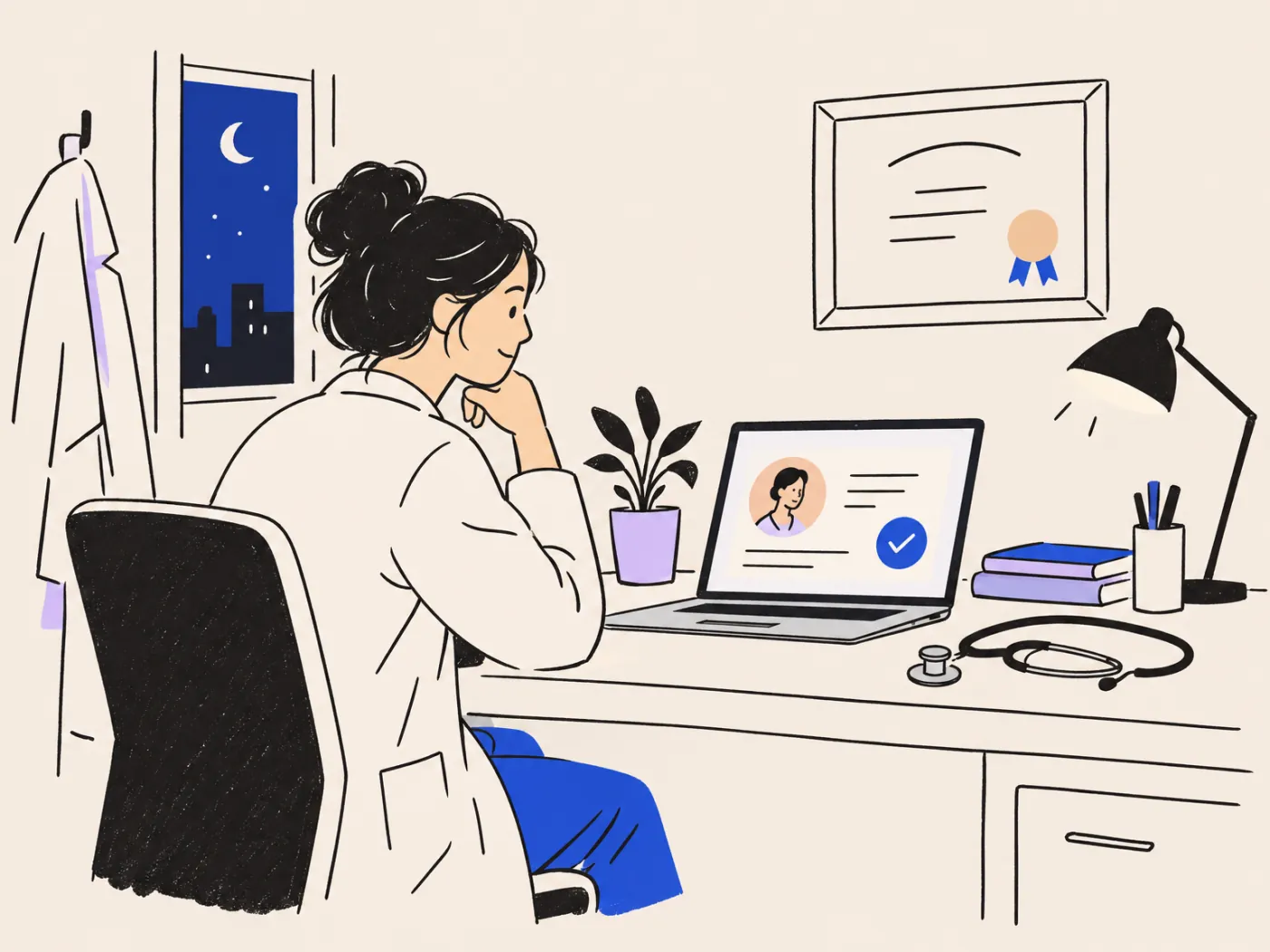
Her search showed a hospital directory page from a previous trust, two ratings profiles with an old clinic address and a namesake in Leicester. We aligned eleven profiles, built her home base page and placed four features on sources AI tools read.
Our average time to a Knowledge Panel is 52 days.“One call to approve my details, then a folder of drafts to check. Nothing went live that I hadn’t read.”
The free audit runs the same search a patient runs and shows you where it breaks down.
Including the ones about patient privacy and health advertising rules.
Yes. You enter your name, LinkedIn URL and email, and the report comes to your inbox. You won’t be asked to book a call or enter a card.
It’s the information box Google shows beside the results when you search a recognized person, or at the top on mobile. It shows your photo, specialty and practice, and Google only shows it once it’s confident about who you are.
They’re separate. Your Business Profile shows the clinic, with its address and opening hours. A Knowledge Panel shows you as a person, and it follows you if you change practices.
No. We work only with your professional details: training, specialty, affiliations and publications.
Everything we publish is factual information you approve before it goes live. We publish no patient testimonials, which some regulators restrict, including Ahpra in Australia.
About 20 minutes, on one call to approve your details and bios.
No. We use your real information, accurate profiles and the structured data Google asks websites to add.
You keep the report and can act on it yourself. If you want us to do the work, the report explains how we’d go about it.
A patient will search your name this week before deciding where to book. The free audit shows you what they’ll see and which fix comes first.
Get My Free AuditYour name, LinkedIn URL and email are all it takes. Report within 1 business day.